

Mechanical Ventilation


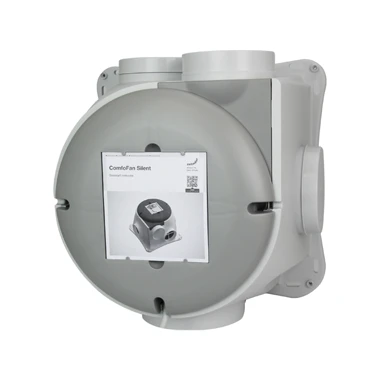


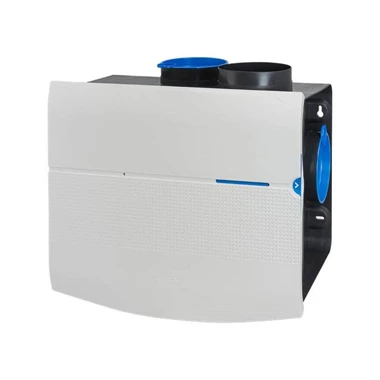


Mechanical ventilation, also known as ventilation system C, encompasses all systems that exhaust polluted, humid air from various rooms in the house. This includes bathrooms, kitchens, and living rooms. In mechanical ventilation type C, a motor is always responsible for the removal of polluted air. The gaps and vents in doors and windows, for example, allow fresh air to enter the home. Are you looking for a mechanical ventilation system that can provide fresh air to your home? Then check out our heat recovery fans!
How does mechanical ventilation work?
All forms of mechanical ventilation have a central exhaust system, typically in the form of a ventilation box (mev unit). The central ventilation unit is the heart of the mechanical ventilation system and primarily ensures that polluted air is expelled from different rooms. Want to know more about how mechanical ventilation works? Read our blog on the operation of mechanical ventilation.
Brands of mechanical ventilation
Ventilationland offers a wide range of ventilation boxes and additional products from various brands:
- Duco
- Itho Daalderop
- Orcon
- Vasco
- Vent-Axia
- Zehnder
- Mechanical ventilation with humidity sensors
- CO2 Controlled Ventilation
- All-in-One Packages
Advantages of Ventilation System C
- Economical: One of the advantages of a central exhaust system in the home is the low cost. Often, the ventilation box only requires one motor, keeping electricity costs low.
- Indoor Climate: Installing a mechanical ventilation system has multiple benefits for the indoor climate of your home. For example, it keeps the air in the rooms fresh and removes moisture, which helps prevent mold and musty odors. Fresh air enters the room through gaps and vents in doors and windows (or by opening windows and/or doors). All of this contributes to a healthy and comfortable living environment.
- Control: A mechanical ventilation system often has multiple settings, allowing you to adjust the flow rate of your ventilation system depending on the situation. Using a switch or RF control panel, the various settings can be manually adjusted for each room. If you opt for demand-controlled mechanical ventilation, the exhaust is managed by sensors.
Which mev system do I need?
Choosing a (new) mechanical ventilation box is not always easy. Therefore, we have compiled a list of the most important points to consider when purchasing a mechanical fan:
- How many exhaust points do I have in my home? With many exhaust points, you might consider a system with a higher capacity. Normally, there is at least one exhaust point in the kitchen, bathroom, and toilet. Depending on the layout and size of these rooms, there may be more exhaust points.
- The space you have for placing the ventilation box. Mechanical fans at Ventilationland come in all shapes and sizes for easy installation. Additionally, you will find various mounting parts in our assortment that can simplify the installation of a mechanical fan.
- Noise production of your mechanical ventilation system.
- The control of your mechanical ventilation. At Ventilationland, we have various types of fans with different control options. This includes CO2 and humidity sensors, wireless controls, fixed three-speed switches, and various plugs.
Use our handy selection guide to find the suitable mechanical ventilation system for you!
How to Maintain Your Mechanical Ventilation System?
Maintaining a mev ventilation system is very important. If not done in a timely manner, your exhaust system may not work as well, increasing the risk of mold. Additionally, your ventilation system may become noisier. Are you bothered by the noise from your ventilation system? Check out our blog for tips on reducing the noise from your ventilation!
Mechanical Ventilation and Heat Recovery Ventilation
Both mechanical ventilation and heat recovery ventilation expel polluted, humid air outside, allowing fresh outside air to flow back into the room. Often, there is a temperature difference between the indoor air and outdoor air, requiring the fresh air to be heated. A heat recovery unit can recover the heat from the expelled air and also blow fresh air back into the house. This way, you save on heating costs. Want to know more about the differences between mechanical and heat recovery ventilation? Check out our blog on this topic!